Parked but Not Protected: The Hidden Cost of Leaving Your Car in a Station Car Park
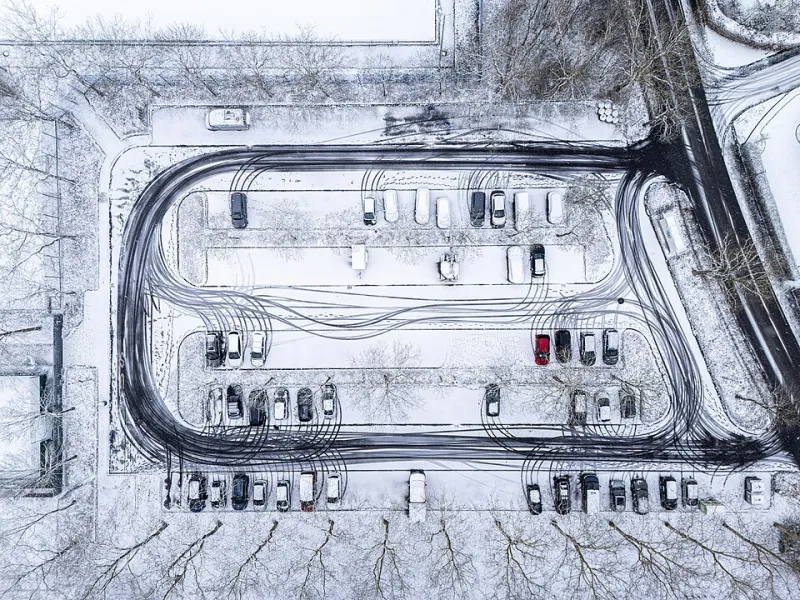
Photo: Dietmar Rabich, CC BY-SA 4.0, via Wikimedia Commons
There's a particular kind of guilt that comes with detailing a car that spends most of its life doing precisely nothing. We've had customers apologise on the doorstep: 'It's hardly worth it, is it? It just sits at the station.'
It is worth it. Actually, it might matter more.
The Commuter Paradox
Here's the thing that catches people out: a car that barely moves isn't a car that barely suffers. Weekend drivers put their paint through the wringer — motorway grit, petrol forecourt brushes, the odd car park ding. Commuter cars face something arguably worse: prolonged, uninterrupted exposure.
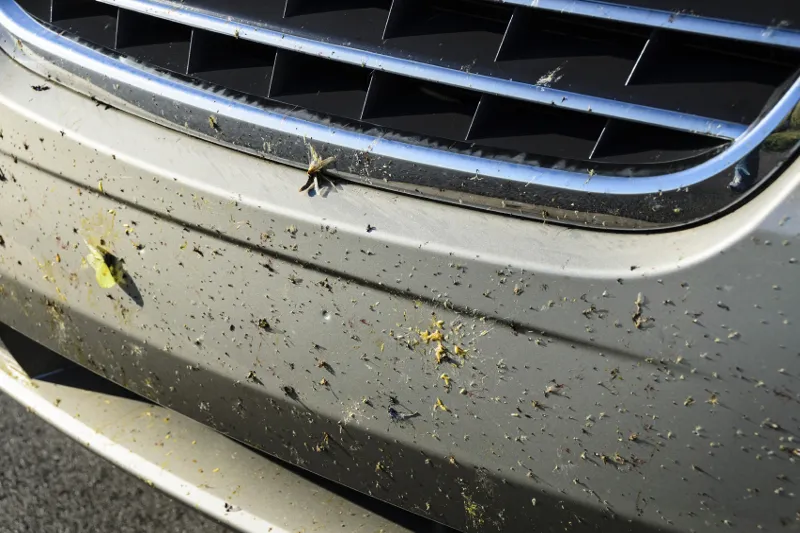
A weekend car gets rained on, then driven, then washed. A station car gets rained on at 7am and then sits there until 6pm, that water baking onto the bonnet under a low autumn sun. Bird droppings that a driver would notice within the hour sit unmolested all day, quietly etching into the lacquer. Tree sap from the overhanging sycamore in row C? That's had eight hours to bond properly.
We spoke to Dave, a regular customer who commutes into Reading from Didcot. 'I used to think I was preserving the car by not driving it,' he told us. 'Then I looked at the roof after two years and thought, hang on, this looks worse than my mate's five-year-old hatchback.'
He wasn't imagining it.
What's Actually Attacking Your Paint While You're on the 07:42
Bird droppings. Station car parks have trees, trees have birds, and birds have opinions about freshly washed cars. A dropping left in full sun can etch through the clear coat in a day. Uric acid is the culprit, and it doesn't forgive.
Tree sap and honeydew. That sticky film that appears overnight isn't always sap — often it's aphid honeydew raining down from the canopy above. Left alone, it bonds hard and can require proper chemical removal rather than a quick shampoo.
Sun and UV. A car parked nose-out in an open car park gets hammered by UV from dawn onwards. Paint fade is slow, but it's cumulative, and clear coat degradation is irreversible without correction.
Door dings and trolley scrapes. Not paint chemistry, but worth mentioning: the commuter car park is a contact sport. A decent coating won't stop a trolley, but a sacrificial layer gives you a fighting chance of polishing out the evidence.
Standing water. That tide mark of limescale around the wheel arches and along the sills — classic baked-on mineral deposit, and a nightmare to shift once it's had weeks to set.
The Low-Effort Commuter Routine
Nobody's asking you to clay bar a car at 5am. Here's what actually works for people whose cars live outdoors on weekdays:
1. A proper ceramic coating, once. This is the single highest-leverage move. A good coating buys you self-cleaning behaviour — rain sheets dirt off more readily, and bird droppings don't bond anywhere near as aggressively. It won't make your car immune, but it turns emergencies into inconveniences.
2. A microfibre spray and a two-minute rule. Keep a quick detailer spray and a folded microfibre in the boot. Bird dropping spotted? Dampen it, lift it, done. The key word is lift — never scrub a dry dropping.
3. A fortnightly wash, not a monthly one. Counterintuitive, but shorter, gentler washes beat occasional aggressive ones. A two-bucket rinse and shampoo every couple of weeks stops contamination building to the point where it needs machine correction.
4. Reverse park under cover where you can. Even partial shade from a multi-storey's upper deck halves your UV load. Worth the extra two minutes' walk.
5. One proper detail per year. Book a full decontamination and correction annually. Commuter cars accumulate damage in ways that are easy to miss week to week — a professional once-over resets the clock.
So, Is It Worth It?
Dave's car came to us with etched bird damage across the bonnet and honeydew bonded to the roof. Two days of decontamination and machine polishing later, it looked better than the day he bought it — and with a ceramic coating on top, his maintenance now amounts to a fortnightly rinse and a bottle of spray detailer in the boot.
A car that sits still all day is a car that's soaking up damage all day. Whether it commutes or camps outside the house, the paint doesn't know the difference — but your resale value eventually will.
If your daily does station duty, get it looked at before the etching gets expensive. We'll tell you honestly what needs doing and, just as importantly, what doesn't.