Grit Happens: PPF, Ceramic or Sweet Nothing for a Daily-Driven UK Car?
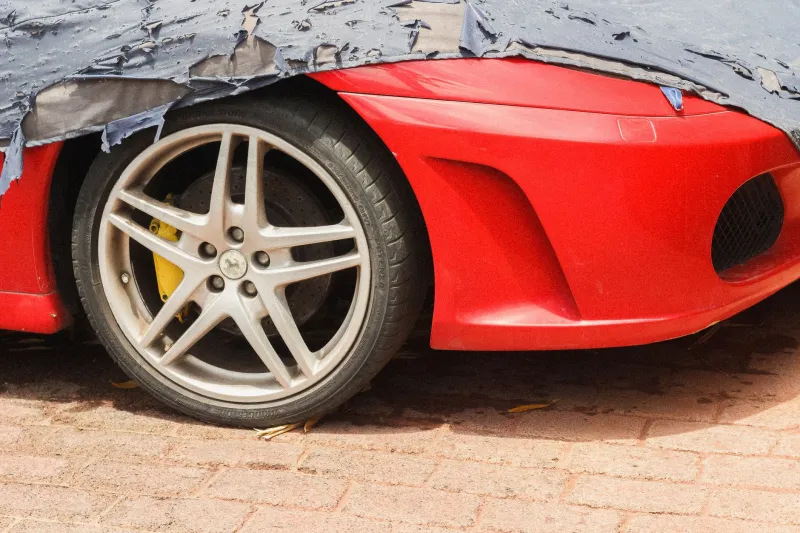
There is a particular sound that every UK driver knows. It is not quite a stone chip and not quite a scrape. It is a small, sharp tick somewhere near the front bumper, usually delivered by a lorry shedding half the A14. You hear it, you wince, and then you spend the next three miles wondering whether that was a £10 touch-up pen moment or the start of something worse.
This is the point where the internet offers you two expensive answers and one deeply unhelpful one. Paint protection film, ceramic coating, or nothing at all. Let us walk through them properly, without the brochure language.
First, separate the two jobs
A ceramic coating and paint protection film are not rivals in the same category. They do different jobs, and confusing them is how people end up disappointed.
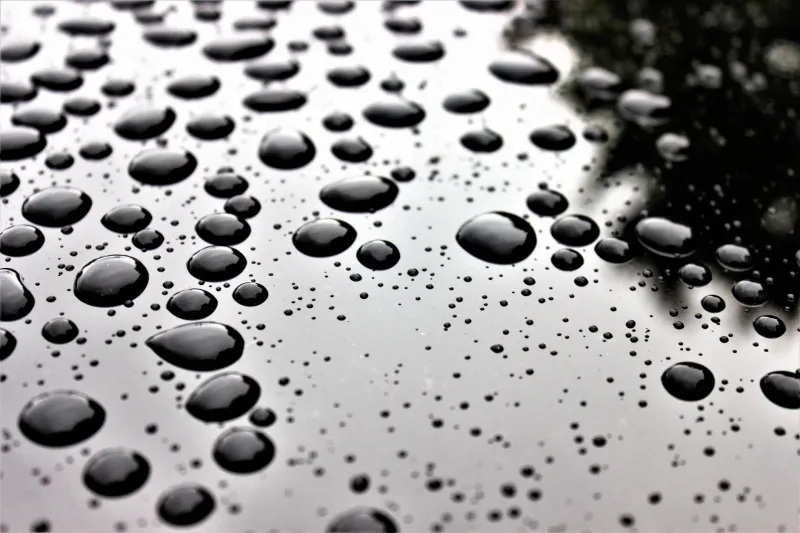
Ceramic coating is a chemical layer that sits on top of your clear coat. Think of it as a very durable, very glossy sacrificial layer. It makes washing easier, helps water bead, adds chemical resistance and gives the paint a slick, sharp look. What it does not do is act as a force field. A stone travelling at 70mph will not bounce off because you spent £700 on a coating.
Paint protection film — PPF — is a physical urethane film applied to the paint. It absorbs impacts. It is the thing that actually stands between your bonnet and the grit, gravel and general debris that British roads throw at it. It also has a self-healing top layer on many quality films, so light swirls and marring can disappear with heat.
So the honest summary is simple. PPF protects against physical damage. Ceramic protects against chemical contamination and makes maintenance easier. Neither one replaces washing your car.
What ceramic coating genuinely gives you
A properly applied ceramic coating, after full decontamination and usually at least a light machine polish, gives you three main benefits.
First, cleaning becomes noticeably easier. Brake dust, bird lime and road film release more readily. Second, the car holds its gloss for longer because the surface is slicker and less prone to holding dirt. Third, it adds a layer of chemical resistance, which is useful against the salt and grime of a British winter.
What it will not do is stop a chip. It will not prevent a trolley ding. And it will not excuse a monthly wash routine that consists of a bucket of Fairy liquid and a stiff brush.
Realistic pricing for a professional ceramic coating in 2026 sits somewhere between £400 and £1,200 depending on the size of the car, the level of paint correction included and the durability of the coating. Warranties typically run from two to five years, but read the small print. Most require an annual inspection or maintenance wash to stay valid. Skip those and the warranty is worth roughly the paper it is printed on.
What PPF actually defends against
PPF is the closest thing to armour you can reasonably put on a car. A good film on the front bumper, bonnet, wings and mirror caps will take the brunt of motorway grit, stone chips, light scuffs and bug etching. It is also genuinely useful on the rear bumper loading lip and the door edges if you live in a tight parking situation.
Costs vary widely. Partial front kits often land between £500 and £1,200. Full front-end coverage tends to sit between £1,200 and £2,000. A full-car installation can run from £3,000 to £6,000 or more, depending on the car and the film.
Warranties on quality PPF are usually five to ten years, but again, conditions apply. Poor installation is the main failure point. Edges lift, dirt gets trapped, and a bad film job can look worse than a few stone chips. Ask about the installer's training, look at finished cars and check whether the film is pre-cut or bulk-installed. Neither method is automatically better, but the installer matters more than the badge on the box.
One more thing: PPF does not make your car invulnerable. A big enough impact will still damage paint or panels. It is a strong practical layer, not a magic cloak.
Doing nothing is a choice, not a saving
Leaving the paint bare is perfectly reasonable for plenty of cars. If your daily is a ten-year-old hatchback with 120,000 miles on it, spending £2,000 on film may be emotionally satisfying but financially questionable. A good wash routine, a decent wax or spray sealant and prompt chip repair will keep it looking respectable.
The catch is that doing nothing is rarely actually doing nothing. Stone chips expose bare metal or primer. Left alone, they can start to corrode, especially on a bonnet or leading edge. A £12 touch-up pen used early is cheaper than a bodyshop respray later. So if you are skipping protection, at least stay on top of damage.
A simple decision framework
For a daily-driven car doing motorway miles, the sensible order is usually PPF on the high-impact areas first, then a ceramic coating over the top if the budget allows. The film takes the hits. The coating makes the whole thing easier to wash.
For a weekend car that lives in a garage and comes out on dry Sundays, ceramic coating alone is often plenty. You are protecting against contamination and making maintenance easy, not shielding the nose from a constant barrage of grit.
For a leased car, a used car with average paint, or a car you plan to sell within two years, a good ceramic coating and a disciplined wash routine is usually the smarter spend. PPF makes more sense if you are keeping the car long-term or if the paint is particularly expensive to repair.
And if the budget is tight? Do neither. Spend £80 on proper wash gear, £15 on a touch-up pen and £10 on a decent microfibre drying towel. That combination will do more for your paint than a cheap coating applied badly.
The Glorious take
There is no universal answer, and anyone who tells you otherwise is probably selling something. PPF is the physical shield. Ceramic is the easy-clean gloss layer. Doing nothing is a valid option as long as you accept the consequences.
For most UK daily drivers, the sweet spot is modest PPF on the front end and a well-prepped ceramic coating on the rest. That is not the cheapest route, but it is the one that makes the most sense against British grit, weather and car parks. And if you are not sure, start with the front bumper. That is where the road hits first.