Forecourt Fivers and Phantom Scratches: The True Cost of a Cheap Hand Wash
You've seen them: the pop-up car washes in supermarket car parks, the hand car wash on the edge of town, the blokes with buckets and a pressure washer who'll do your motor for a fiver while you nip into Lidl. On the surface, it's a bargain. Five quid, ten minutes, and your car looks sharper than when you arrived. What's not to like?
Plenty, as it happens. Not because everyone running a kerbside wash is a cowboy — some are decent, honest operations doing a tidy job for the money. But the economics of a £5 wash are brutal, and the bit that usually gets cut is the bit that protects your paint. This isn't a snobby rant about cheap versus expensive. It's an honest look at what that fiver actually buys, and what it might cost you six months down the line.
The Bucket Doesn't Lie
Here's the thing about washing a car: most of the damage isn't done by the shampoo. It's done by the grit that's already on the paint, and by whatever the wash mitt or sponge picked up from the last car. A proper wash uses a rinse stage to shift loose dirt, a separate bucket for clean shampoo, and a mitt that gets rinsed — or at least dunked — between panels. It's not glamorous. It's just physics.
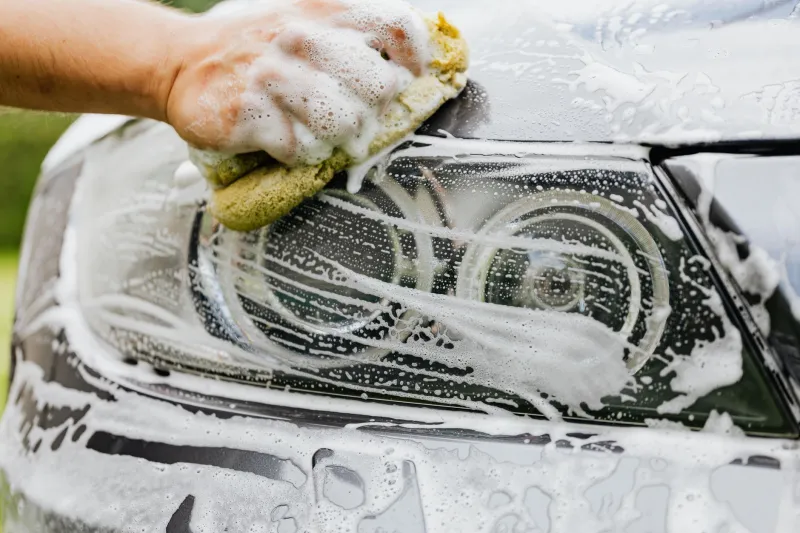
At a busy kerbside wash, physics often loses to the queue. The sponge goes from a grimy lower door to the bonnet without a proper rinse. The bucket water turns grey by car number three. The drying towel gets wrung out and reused until it's carrying enough grit to sand a windowsill. None of this is malicious. It's just what happens when you're trying to turn over cars at a tenner a pop.
The result is swirl marks — those fine, circular scratches you only really see in direct sunlight or under a garage forecourt light. They're the detailing equivalent of a hangover: not immediately obvious, but definitely there, and definitely your problem later.
What You're Actually Paying For
A fiver doesn't buy much time. If the wash takes ten minutes and two people are working, that's twenty minutes of labour for five pounds. Deduct the water, the shampoo, the fuel for the pressure washer, and whatever the site owner takes, and there's not a lot left. Something has to give. Usually it's the rinse stage, the clean water, or the drying towel.
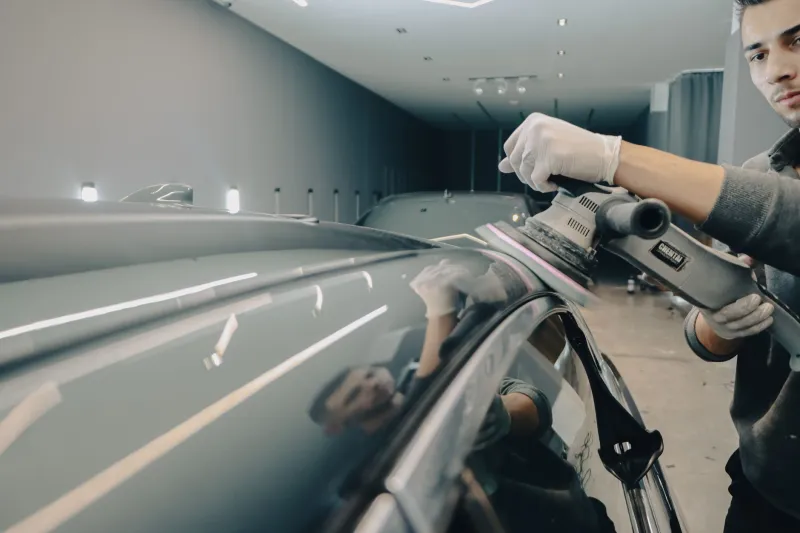
That's not a moral judgement. It's just maths. Proper detailing costs what it does because it's slow. A maintenance wash at a decent detailer might take an hour and a half, and that's before you talk about decontamination, drying with filtered air, or applying a spray sealant. Paint correction — actually removing swirl marks rather than just hiding them — takes hours per panel and a machine polisher. A full ceramic coating is a day's work, sometimes two, plus the cost of the coating itself and the insurance and training behind the person applying it. None of that comes cheap, and it shouldn't.
The Swirl Mark Economy
Swirl marks are a bit like interest on a credit card. You don't notice them at first. Then one sunny Saturday you catch the bonnet at the wrong angle and wonder when your car turned into a spider's web. By the time you book a paint correction, you're looking at hundreds of pounds to put right what a series of cheap washes quietly put wrong.
And it's not just the scratches. Cheap washes often use traffic film remover — TFR — at strong concentrations to shift road grime quickly. Used properly, it's fine. Used carelessly, it can strip wax and sealant, leaving your paint unprotected going into a British winter. That's when the salt and grit get to work, and that's when you start seeing the real cost: dulled paint, embedded contamination, and a car that never quite looks clean no matter how often you wash it.
What to Look For (and What to Avoid)
If you're going to use a hand wash, use your eyes. Does the site look organised? Are they rinsing the car before touching it? Are they using a fresh bucket or at least clean-looking water? Is there a queue of cars being rushed through in direct sunlight, or are they working in the shade? Do they dry with a proper microfibre towel, or a chamois that's seen better days?
Ask yourself a simple question: would you wash your own car with that sponge? If the answer is no, don't let someone else do it. A touchless wash — just foam and pressure rinse — is a safer bet than a dirty sponge, even if it doesn't get everything off. And if you're using a kerbside wash regularly, budget for a proper decontamination and protection top-up once or twice a year. It's cheaper than a respray.
A Smarter Fiver
None of this means you have to spend £600 on a ceramic coating to keep your car looking decent. It means being honest about what a fiver can and can't do. A cheap wash is fine as a stopgap if you're selling the car next week or you've just come off a muddy field. But as a habit — every fortnight, same sponge, same bucket — it's a false economy.
The smarter move is to wash less often but wash properly. Use a decent shampoo, a clean mitt, and a drying towel that isn't full of grit. Apply a spray sealant every few months. If you want the swirl-free look without the full detailing bill, book a maintenance wash with a local detailer every quarter and keep the kerbside fiver for emergencies. Your paint will thank you, and so will whoever buys the car off you in three years' time.
Because here's the truth: a clean car isn't the same as a cared-for car. The fiver gets you the first bit. The second bit is what actually protects your investment — and that's worth paying for.