Kettles, Bank Cards and £3 De-Icer: The Winter Habits Quietly Wrecking Your Motor
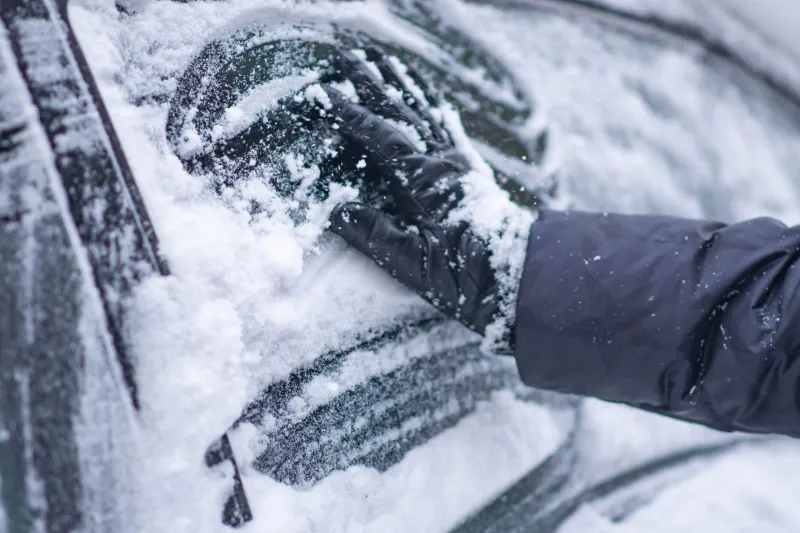
There's a particular kind of damage we see every February at Glorious Detailing that has nothing to do with salt or grit. It's self-inflicted. It happens between 7 and 8am, on driveways from Dundee to Dorset, and most drivers have no idea they're doing it.
We're talking about the winter shortcut. The kettle. The bank card. The bargain-bucket de-icer aimed like a fire hose. Each one leaves a signature on your car, and by the time you notice, the fix isn't a quick wash — it's a correction.
The Kettle Method: A Crack Waiting to Happen
Let's deal with the big one first. Pouring boiling water over a frozen windscreen is the most British of panics, and it's the one that can genuinely ruin your day.
Glass doesn't expand evenly. Hit a frozen screen with near-boiling water and the sudden temperature difference creates stress fractures — sometimes instantly, sometimes as a hairline crack that only reveals itself a fortnight later on the M6. Modern screens with embedded heaters and rain sensors make the replacement bill even worse.
The proper fix: a decent ice scraper (plastic, not the edge of a loyalty card), a screen cover the night before, or — better still — a dedicated de-icer applied before you scrape. Thirty seconds of patience beats a £500 screen replacement every time.
The Bank Card Scraper: Micro-Abrasions You Can't Unsee
We'll admit it's satisfying in a pinch. It's also a brilliant way to drag grit across soft glass and rubber.
Frozen screens collect road grime over winter, and scraping with a rigid card embeds that grit into the surface. Under our inspection lamps, we've seen windscreens with fine scratching bad enough to cause glare at night — the kind of thing you can't polish out of glass, only compound the misery by trying.
Worse still is the card's cousin: scraping ice off painted mirrors, pillars and seals. Paint frozen overnight is brittle paint. Scrape it and you'll lift clear coat in a way that looks like a bad key scratch.
The proper fix: a proper scraper with a foam handle and a sponge sleeve for the glass around the wipers. Keep the card for buying coffee.
Cheap De-Icer: The Overspray Nobody Talks About
Here's the one that keeps our paint correction bay busy. Supermarket de-icer at three quid for a litre is often a blunt mix of alcohol and glycols, and the trigger sprays are wildly optimistic. Aim at the screen, and half of it bounces back across the bonnet, the wings and — critically — the sills and lower panels.
Two problems follow:
- Trim staining. Cheap formulations can bleach rubber seals and plastic arch trims, leaving that chalky white bloom that no amount of dressing fully hides.
- Residue bonding. The overspray dries into a film that bonds to paint, attracting dirt and, in freezing conditions, holding moisture against the surface. On unprotected paint, that cycle accelerates micro-marring every time you wash.
We've corrected sills where the damage pattern was a perfect spray silhouette. The owner had no idea the bottle was the culprit.
The proper fix: a quality de-icer with a precision nozzle (aim, don't hose), applied sparingly. Keep a microfibre in the door pocket to catch overspray. And if your paint carries a ceramic coating, you'll notice the residue beads off rather than bonding — one of the quiet, unglamorous benefits of proper protection that no brochure mentions.
The Quick Wins Worth Having in the Boot
You don't need a detailing arsenal. Four items will see you through most British winters:
- A quality ice scraper with a soft edge — £5, saves your glass and your paint
- A windscreen cover — £10, eliminates the whole problem on frosty mornings
- A premium de-icer with a controlled spray — £8–£12, less product, no overspray bloom
- A microfibre or two — for catching overspray and wiping the sills down once a week
Five minutes a week wiping the sills and lower panels through winter will do more for your paintwork than any single product. Salt, de-icer residue and road film all congregate down there, out of sight, quietly eating away.
When the Damage Is Already Done
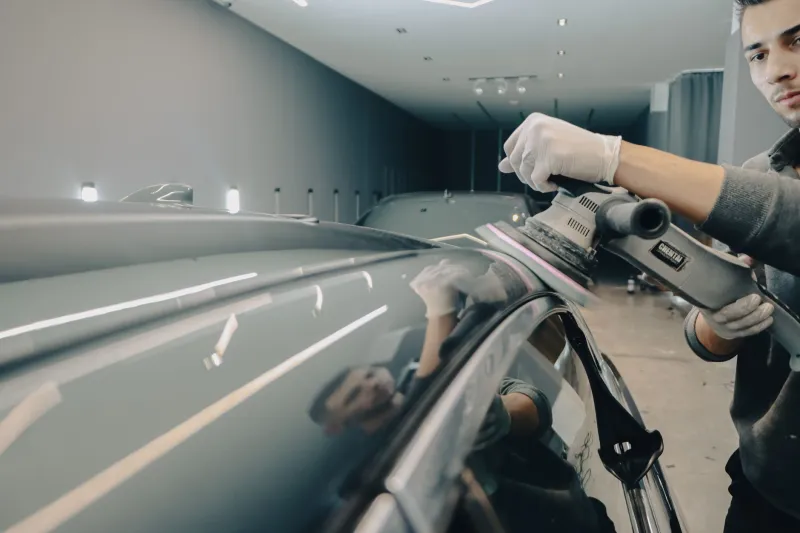
If you're reading this with a wince — the bleached trim, the etched sills, the windscreen with a suspicious shimmer — it's rarely a write-off. Trim can be restored and re-dyed. Bonded residue comes off with a proper decontamination wash. Paint that's suffered a winter of neglect can usually be brought back with machine polishing, and a ceramic coating afterwards means next year's shortcuts (though we'd rather you dropped them) won't bite as hard.
Winter doesn't have to be a war of attrition with your car. A few quid spent sensibly, and a kettle left firmly in the kitchen, will keep your motor looking the way it did the day you fell for it.