Five Things in a Pro Detailer's Bag You Shouldn't Bother Buying (and What to Get Instead)
Photo: Internet Archive Book Images, No restrictions, via Wikimedia Commons
People are always curious about what's in the van. Partly because detailing kit looks satisfyingly technical — pads, bottles, machines with names like weapons systems — and partly because anyone who's browsed a detailing shop's website knows how easy it is to spend £200 on things you'll use twice.
So we did something slightly exposing: we laid out everything we carry on a typical correction job, and honestly sorted it into what matters and what doesn't. If you're building your first proper setup, this should save you some money.
What Genuinely Earns Its Place
A pH-neutral snow foam or pre-wash. The single biggest leap in finish quality for most enthusiasts isn't a better polish — it's touching the paint less. A proper pre-wash stage lifts grit before a mitt ever makes contact, and contact is what causes swirls. This is £20–£30 that changes everything.
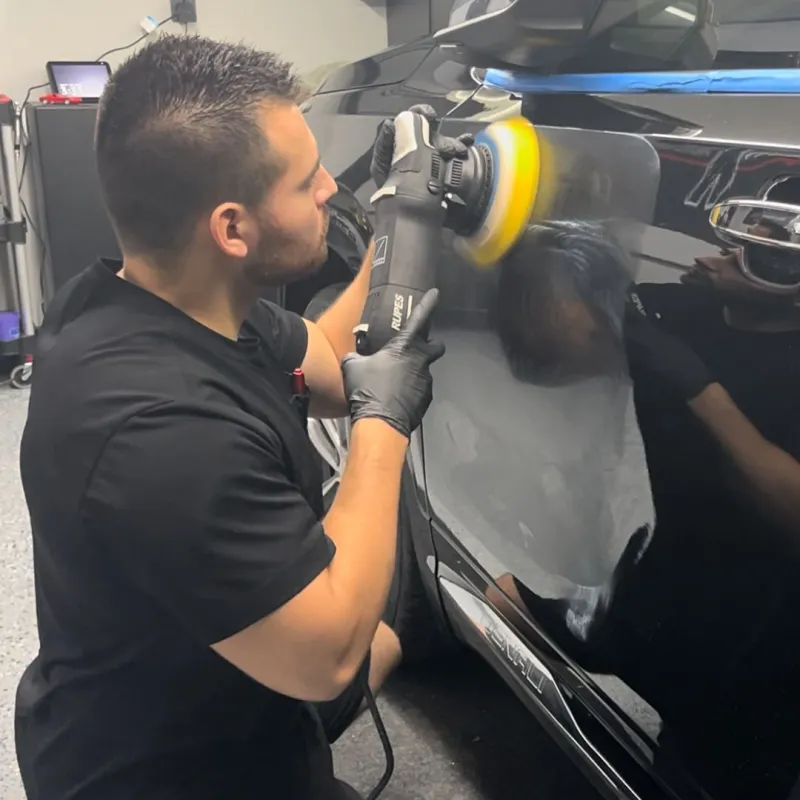
A decent dual-action polisher. Not the flashiest one, not necessarily the most expensive — but a genuine DA machine rather than a rotary, which will burn through paint edges if your hand speed isn't dialled in. This is the one place where buying well once, even second-hand, beats buying cheap three times.
Clay and a lubricant. If your paint feels rough after washing — run a finger over it in a plastic bag for the full horror — it's contaminated, and no amount of polishing fixes contamination. A clay bar kit costs about £15 and is the difference between good and glass.
Quality microfibre, in quantity. Not three. Twenty. Cheap microfibre drags grit back across the paint, and mixing your drying towel with your interior cloth is how dashboards get scratched. Buy proper ones, wash them separately, retire them when they go stiff.
A good drying towel and a blower or open-ended hose method. Water spots are the final boss of British detailing, especially with our hard water in much of the country. Get the car dry properly and half your finishing problems vanish.
The Five Things That Aren't Worth It (Yet)
1. A paint depth gauge. Indispensable for us, because we're removing paint on other people's cars and need to know how much we've got to play with. For a enthusiast correcting their own car once or twice a year? You can work carefully and check your progress by eye and feel. £150 saved.
2. Competition-grade pad ranges. We carry eight pad types because different paints, different defects, different stages. A home setup needs two: one cutting, one finishing. The rest is shelf decoration.
3. Dedicated iron removers beyond the first bottle. Iron fallout removers are genuinely useful, especially after winter gritting season — but one bottle lasts most people a full year. Anyone selling you a case is selling you evaporation.
4. Ceramic coating DIY kits at the top end. Here's an awkward admission from a company that applies coatings for a living: the application is the easy bit. The preparation — the full decontamination, the correction, the controlled environment — is the job. If you're not doing that prep, an expensive coating is an expensive sealant. Either commit to the full process or spend less.
5. Every interior chemical ever made. An all-purpose cleaner at the right dilution, a dedicated glass cleaner, and a decent dressing will handle ninety-five per cent of interiors. The rest is marketing aimed at people who enjoy buying bottles.
The Honest Bottom Line
A genuinely capable first setup — pre-wash, DA polisher, clay, pads, microfibre, drying kit — comes in around £350–£450 if you buy sensibly. That's less than one professional correction, and it'll last years.
The trap isn't the spending. It's the ordering: people buy the glamorous kit first and the boring fundamentals last. Do it the other way round and you'll get better results with less money than almost anyone on your street. And if you hit a defect you can't shift — that's what we're here for.